Everything You Need To Know About Mowing Wet Grass
In the Northern Rivers, wet weather is simply part of life. Long periods of rain can leave lawns growing quickly while keeping the ground damp for days at a time. When the grass starts getting out of control, many homeowners find themselves asking the same question: can you mow wet grass?
The answer is not always as simple as waiting for perfect conditions. While mowing a wet lawn is not ideal, there are situations where it may be necessary. The key is understanding the risks, knowing when it is reasonable to proceed and making sure your mower is equipped to handle the job without causing unnecessary damage.
Why Wet Grass Creates Challenges
Grass behaves very differently when it is wet. Instead of standing upright, the blades tend to bend and stick together, making it harder for mowers to cut evenly.
When moisture is present:
- Grass blades often flatten against each other.
- Clippings become heavier and stick together.
- The mower has to work harder to achieve a clean cut.
These conditions can affect both the appearance of your lawn and the performance of your mower. Even a high-quality machine can struggle when faced with excessive moisture.
Clumping Is Often the First Problem
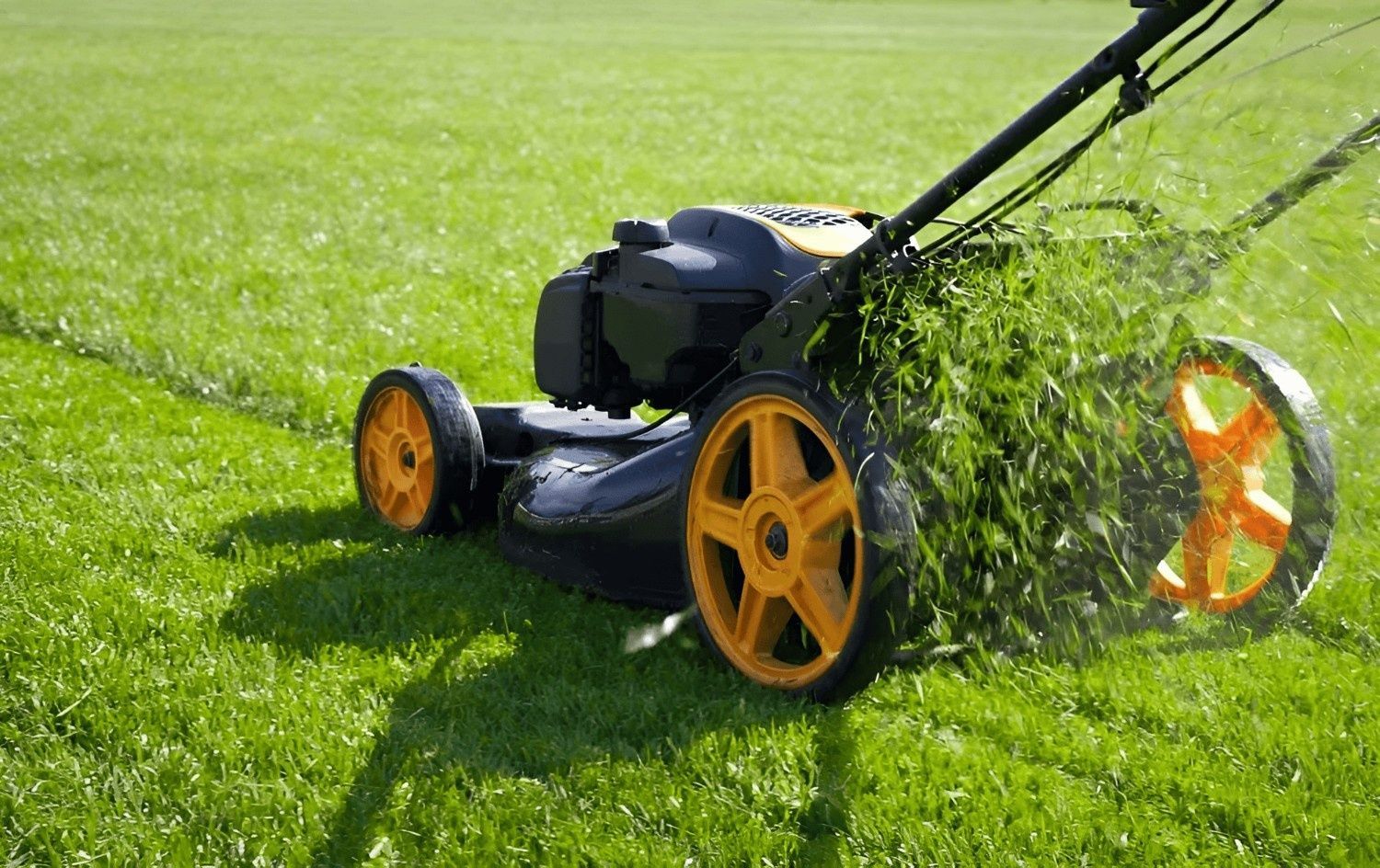
One of the most noticeable effects of mowing wet grass is the build-up of clippings beneath the mower deck. Wet grass tends to clump together rather than dispersing evenly across the lawn.
This can result in:
- Thick piles of clippings being left behind.
- Blockages underneath the mower deck.
- Additional clean-up after mowing is complete.
These clumps can also smother sections of lawn if left in place, preventing sunlight and airflow from reaching the grass underneath. The result can be patchy growth and an untidy finish.
Wet Conditions Can Put Extra Strain on Your Mower
Cutting through moisture-laden grass requires more effort from the mower than cutting dry grass. The added resistance places extra load on moving components and the engine.
When mowing in wet conditions:
- Blades encounter greater resistance during cutting.
- Engines may need to work harder to maintain performance.
- Drive systems can experience increased wear.
Occasional mowing in damp conditions may not cause immediate problems, but repeated exposure can contribute to unnecessary wear over time, particularly if the mower is already overdue for maintenance.
Blade Sharpness Makes a Bigger Difference
A sharp blade cuts cleanly through grass, while a dull blade tends to tear and shred. This becomes even more important when moisture is involved.
If mower blades are not in good condition:
- Wet grass may be ripped rather than cut.
- Lawn surfaces can appear uneven after mowing.
- Grass becomes more vulnerable to stress and disease.
Many homeowners do not realise that blade condition can significantly affect mowing results. A mower that struggles in wet conditions may simply need sharpening rather than replacement.
Uneven Cuts Can Affect Lawn Health
Wet grass does not stand upright as consistently as dry grass. This often results in patches being missed or cut at different heights across the lawn.
Common mowing issues include:
- Areas of grass being cut too short.
- Sections being missed entirely.
- A patchy or inconsistent appearance.
Beyond aesthetics, uneven cutting can place stress on the lawn. Grass that is repeatedly cut poorly may take longer to recover and become less resilient over time.
Wet Conditions Can Encourage Lawn Disease
Moisture and poor airflow create ideal conditions for fungal growth and lawn disease. Cutting wet grass can sometimes contribute to these problems, particularly when thick clumps of clippings are left behind.
Potential consequences include:
- Increased moisture retention at ground level.
- Reduced airflow around grass plants.
- Greater opportunity for fungal development.
This does not mean every wet-weather mow will result in disease. However, maintaining good mowing practices becomes particularly important when conditions are already favourable for lawn problems.
There Are Times When Mowing Wet Grass Is Necessary
Despite the risks, there are occasions when waiting is simply not practical. Extended periods of rain can cause lawns to become overgrown if homeowners delay mowing for too long.
If mowing cannot be avoided:
- Wait until surface moisture has reduced where possible.
- Raise the mowing height slightly.
- Cut smaller amounts of grass at a time.
Taking these precautions can help reduce stress on both the mower and the lawn. The goal is not to achieve perfect results but to minimise potential damage until conditions improve.
Your Mower's Condition Matters More Than the Weather
Two people can mow the same wet lawn and experience completely different outcomes. Often, the difference comes down to the condition of the mower itself.
A well-maintained mower is more likely to have:
- Sharp blades that cut cleanly.
- Properly functioning engine components.
- Effective discharge and collection systems.
This is why regular servicing remains so important. A mower that is already struggling with dull blades, worn components or performance issues will typically encounter even greater difficulties in wet conditions. For many Lismore mowers, keeping equipment properly maintained can make a noticeable difference when conditions are less than ideal.
Preparing for the Next Wet Season
Many mowing problems can be prevented before the rain arrives. Rather than waiting until the mower begins struggling, proactive maintenance can help ensure the equipment is ready for challenging conditions.
Before the next wet season, consider:
- Having blades professionally sharpened.
- Checking filters, belts and moving parts.
- Scheduling routine servicing if performance has declined.
Preparing your equipment ahead of time can reduce the likelihood of breakdowns and help maintain better cutting performance throughout prolonged wet periods.
Keep Your Mower Ready for Wet Conditions
Diamond Service Centre understands the challenges that wet weather can create for local homeowners. Whether you are dealing with clogged decks, uneven cuts or increased wear after a season of heavy rain, keeping your mower in top condition can make all the difference. From servicing and blade sharpening to lawn mower repairs in Lismore, our team helps homeowners get the most from their equipment. If your mower has struggled through recent wet conditions, or you want to prepare before the next rainy season arrives, visit our workshop for expert advice and reliable repairs tailored to local conditions. Get in touch today to find out more.