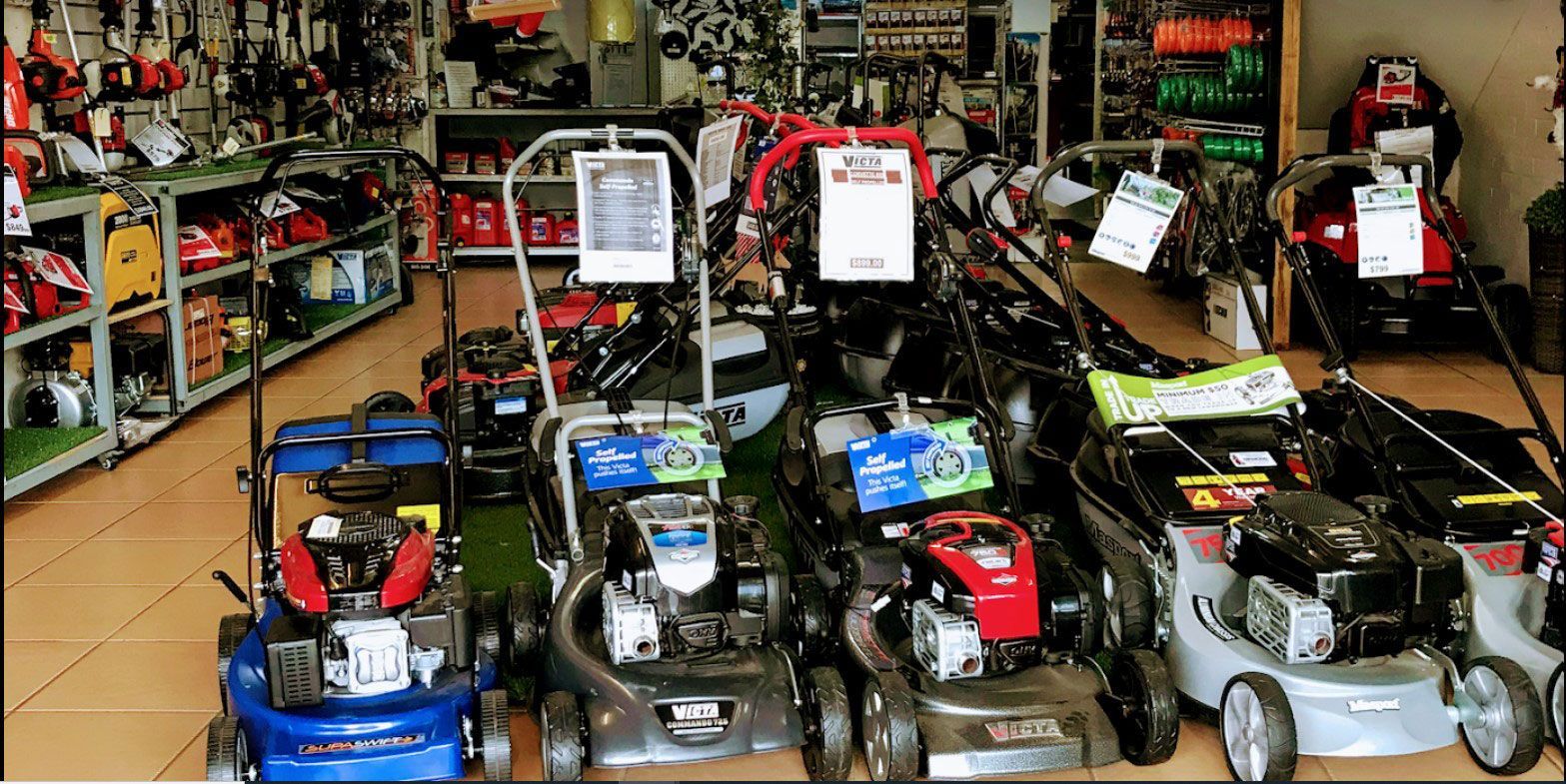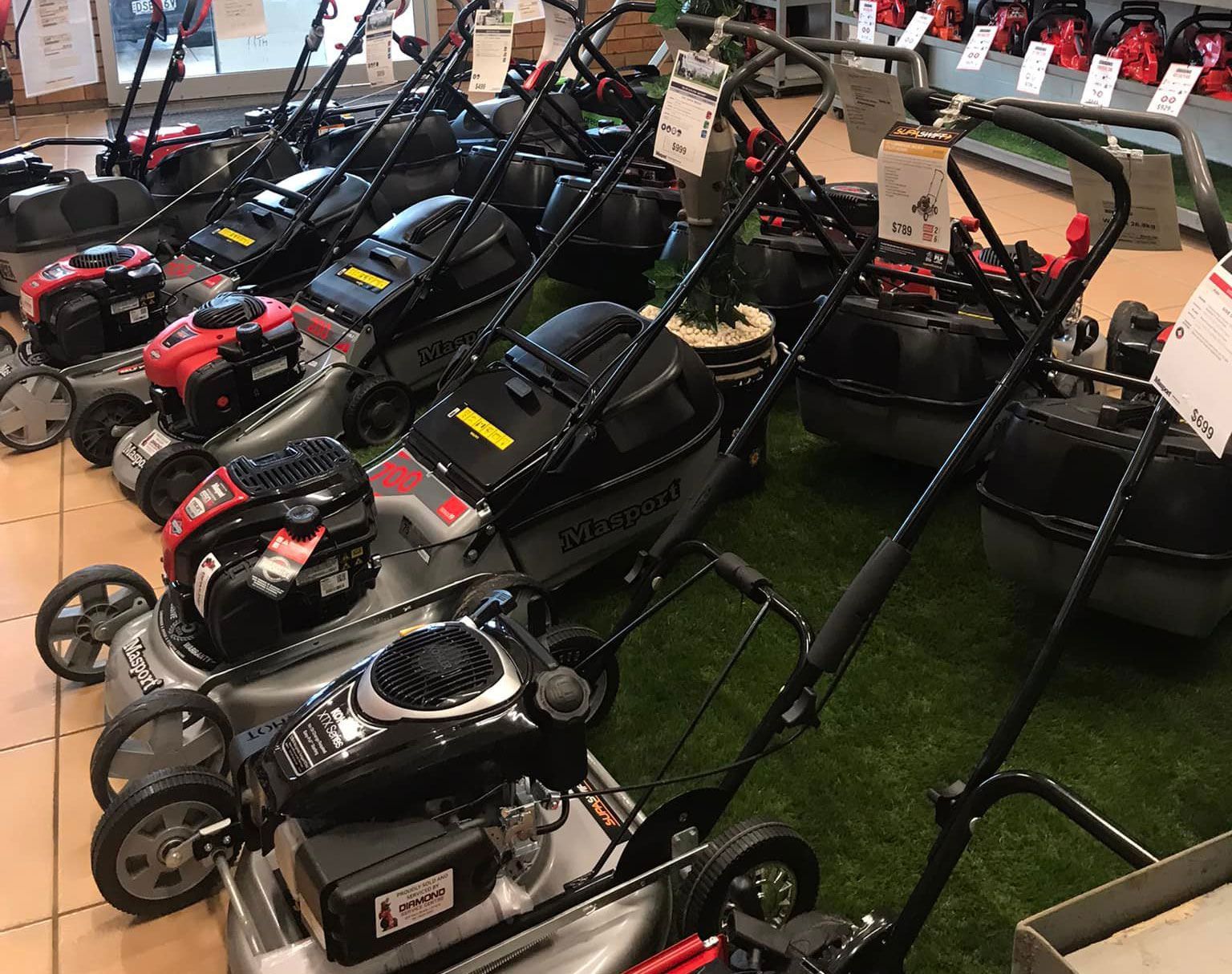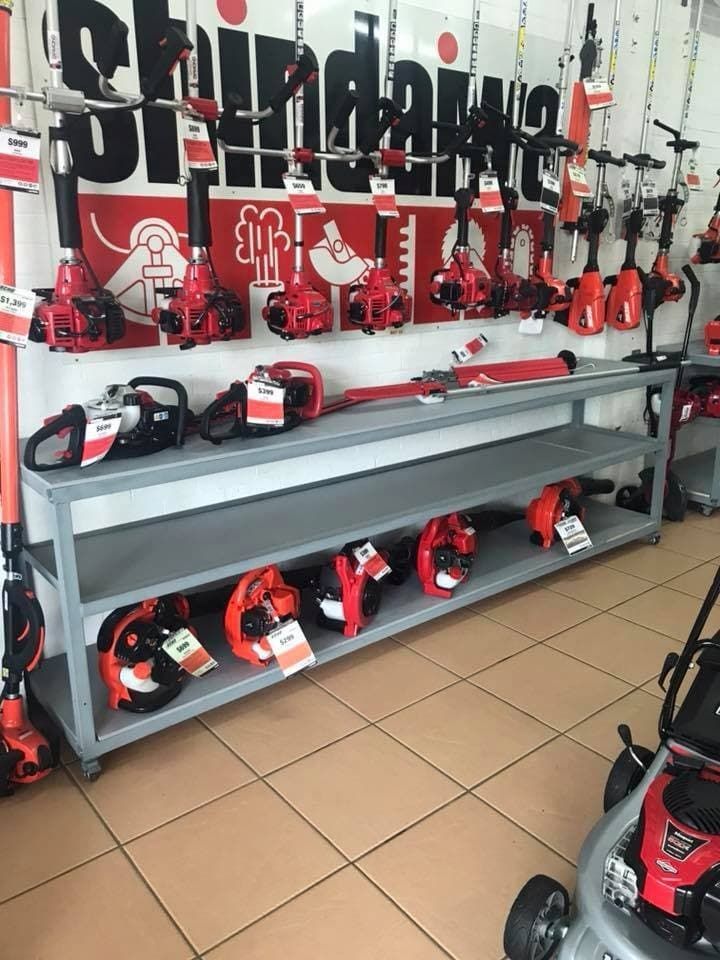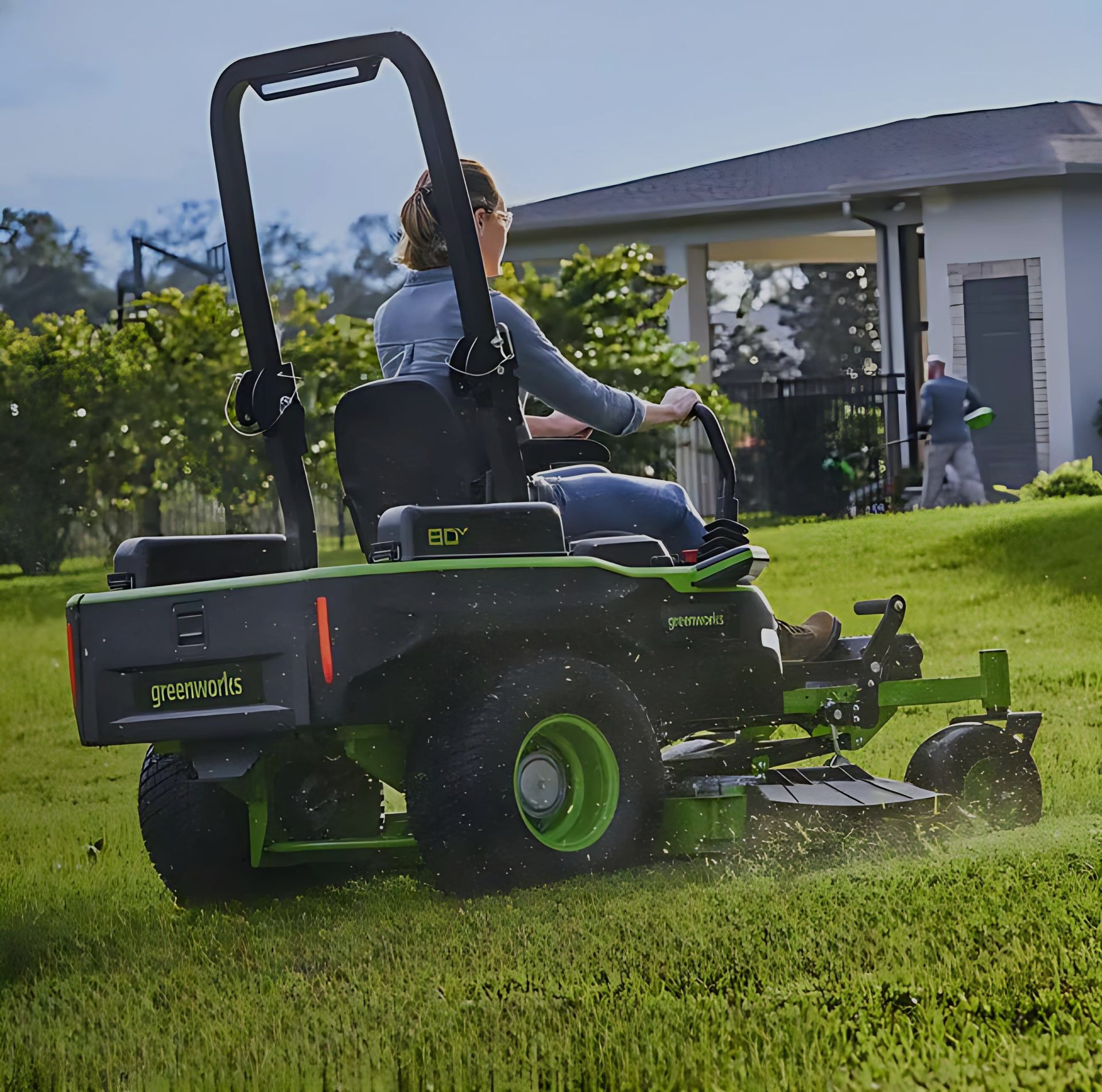
Battery Vs Petrol Mowers In Lismore: Which One Suits Your Yard (And Your Repair Costs)?
Buying a lawn mower is often seen as a practical task, yet many people are surprised by how many variables are involved once they start comparing options. Battery and petrol mowers are presented as clear alternatives, but the differences between them extend well beyond how they are powered. For homeowners, the decision can affect how often mowing feels manageable, how much time is spent on upkeep, and how predictable repair costs are over the life of the machine.
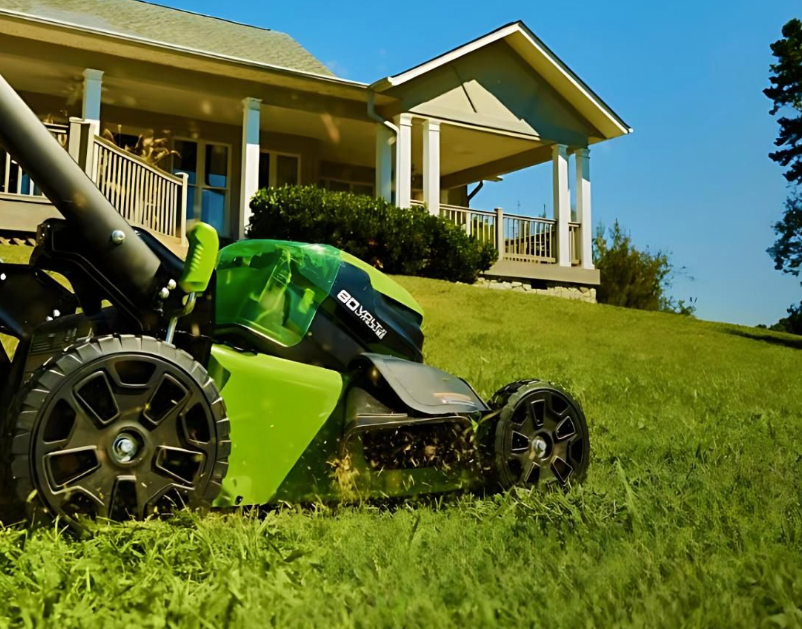
Modern battery mowers have introduced new levels of convenience, particularly for people who value simplicity and lower day-to-day maintenance. Petrol mowers, on the other hand, remain a familiar and trusted option for those who want consistent output and longer run times without interruption. What is often overlooked is how these machines perform once they are used repeatedly under real conditions. Lawn size, terrain, grass thickness, and mowing habits all influence how well a mower holds up over time.
Beyond performance, ownership considerations such as servicing frequency, common repairs, and component lifespan play a significant role in overall satisfaction. A mower that feels suitable at purchase can become inconvenient if it does not align with long-term expectations. Understanding these practical differences helps buyers choose equipment that supports both their yard and their ongoing maintenance needs.
The way you use your mower matters more than the badge on the deck
The way a mower is used across weeks and months has a direct impact on reliability, servicing needs, and repair frequency. Usage habits often explain why the same model performs differently for different owners.
- Regular mowing keeps grass manageable but increases cumulative wear
- Infrequent mowing often leads to heavier cutting loads and higher strain
- Longer mowing sessions affect heat, power draw, and drivetrain stress
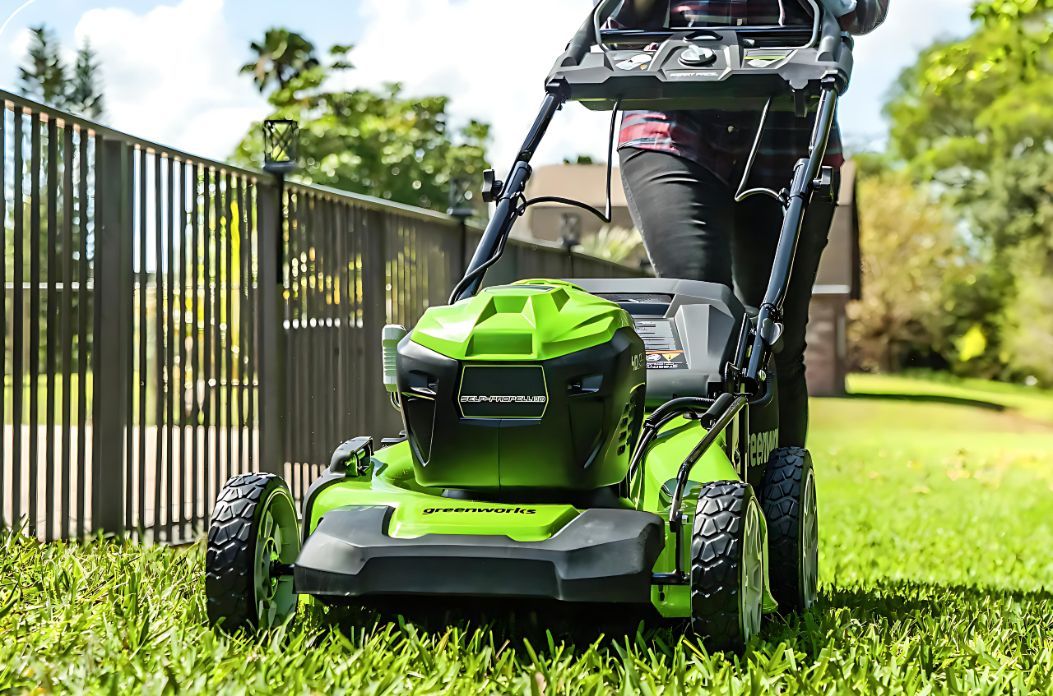
Battery mowers often suit owners who mow consistently and prefer shorter, predictable sessions. Petrol mowers are commonly chosen by those who mow less frequently or need sustained output for longer periods. Matching mower type to usage patterns helps reduce avoidable stress on components and supports more consistent performance over time. Mower shop advice can be particularly valuable in aligning these habits with suitable equipment.
Lawn size and layout quietly determine what type of mower makes sense
Lawn size influences more than just mowing duration. It affects how often a mower is pushed to its limits and how efficiently it can operate without interruption. Larger lawns may require extended run times, while smaller or segmented yards benefit from agility and ease of handling.
Layout also matters. Narrow access points, garden edges, and uneven transitions require manoeuvrability and balance. Open areas place more emphasis on consistent cutting ability. When equipment does not suit the layout, mowing becomes inefficient and can lead to uneven wear on wheels, blades, and drive components. Mower shops often consider these physical characteristics when guiding buyers toward practical options that support long-term use.
Slopes, terrain, and grass thickness change how hard a mower has to work
Terrain introduces variables that significantly affect mower workload. Slopes require additional traction and power management, while uneven ground increases vibration and mechanical stress.
- Inclines place sustained load on motors and engines
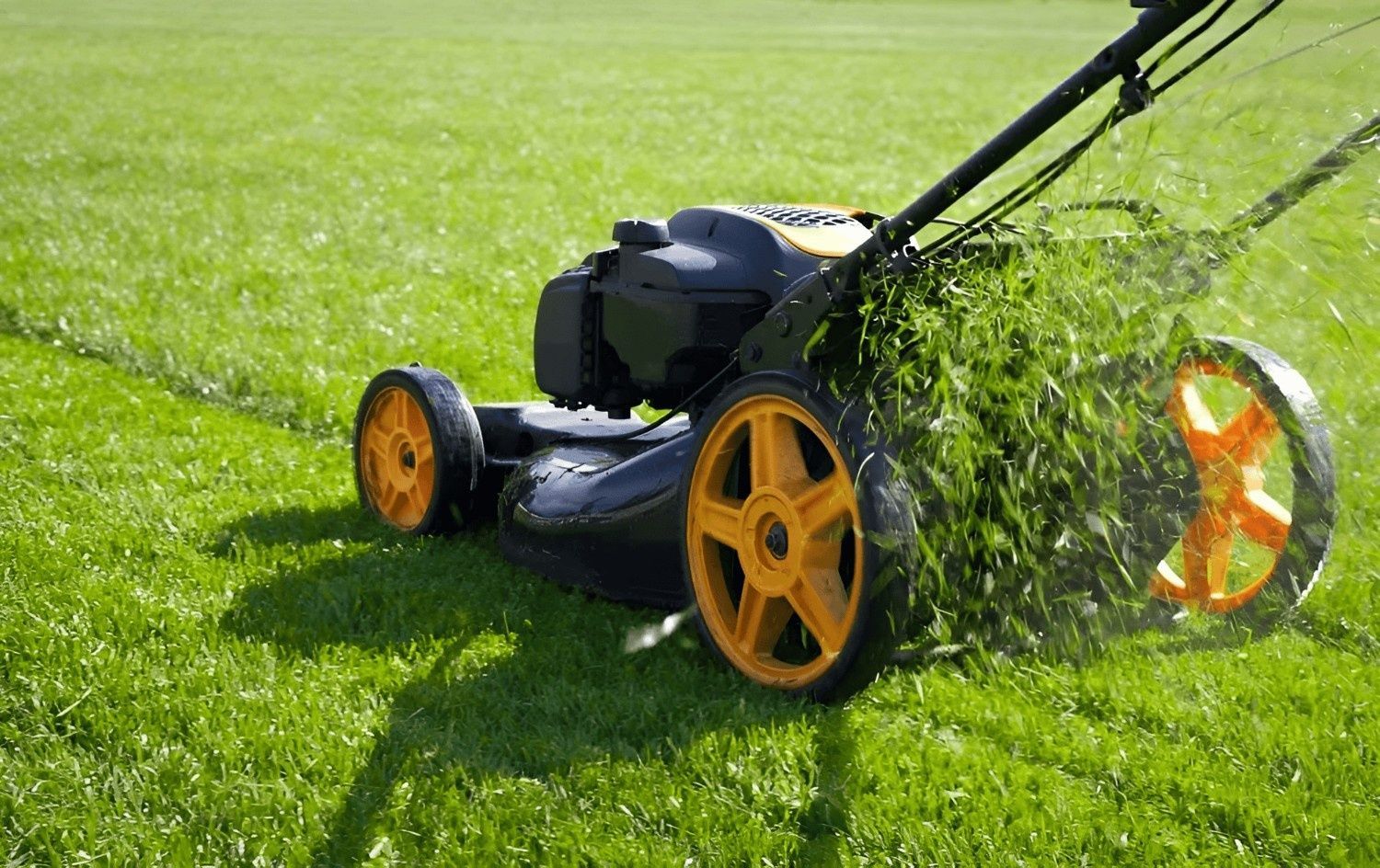
- Thick grass increases resistance during cutting
- Uneven terrain accelerates wear on bearings and drive systems
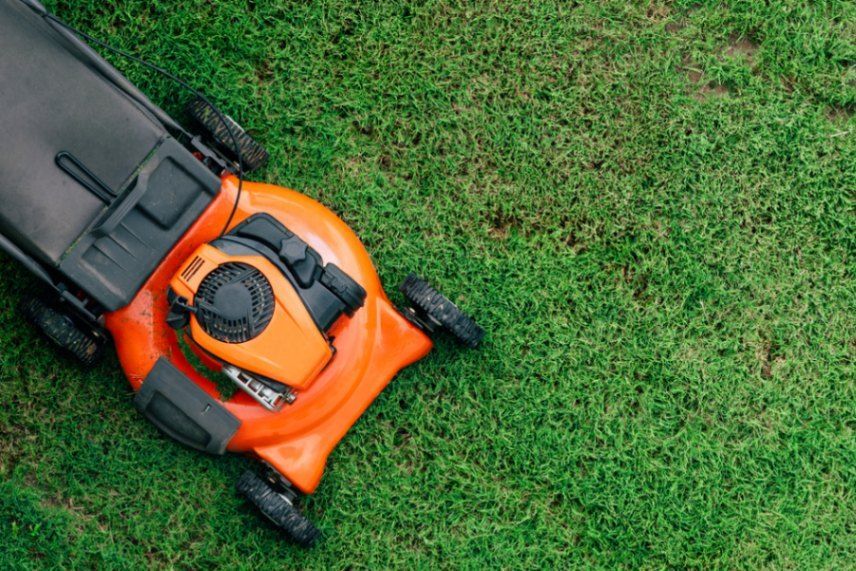
Petrol mowers typically handle sustained resistance well, especially during heavy cutting. Battery mowers rely on efficient energy delivery and may require careful selection to handle similar conditions. Understanding how terrain affects workload allows mower shops to recommend equipment that balances cutting ability with durability and serviceability.
Maintenance routines differ long before repairs are ever needed
Maintenance differences between battery and petrol mowers shape ownership experience well before any major repairs arise. Battery mowers generally require less frequent intervention, focusing on blade condition, charging habits, and storage practices. Petrol mowers involve ongoing attention to fuel quality, oil levels, filters, and ignition components.
These routines influence how often equipment is serviced professionally.
Lawn mower repairs frequently result from skipped or delayed maintenance rather than sudden failures. Choosing a mower with maintenance requirements that match the owner’s willingness and ability to keep up with care plays a key role in long-term reliability.
Repair costs often depend on what wears out, not what powers the mower
Repair needs are often tied to wear points that exist regardless of power source. While battery and petrol systems differ internally, many external components experience similar stress.
- Blades dull through contact with debris and soil
- Drive systems wear based on terrain and handling
- Electrical or fuel-related components are affected by exposure and age
A mower shop assesses repairs based on usage history and condition rather than assumptions about power type. Understanding these shared wear points helps owners set realistic expectations around servicing and avoid assuming one mower type is maintenance-free.
Battery lifespan and engine longevity shape long-term ownership costs
Long-term ownership costs are influenced by how long key components remain effective. Battery systems depend on charging habits, storage conditions, and usage frequency. Petrol engines rely on lubrication, cooling, and consistent servicing to maintain performance.
Over time, battery replacement or engine repairs can alter the overall cost of ownership. Planning for these eventualities helps buyers avoid unexpected expenses. Mower shops often discuss lifespan expectations to help owners choose equipment that aligns with their long-term maintenance preferences and budget planning.
Noise, storage, and convenience influence how often a mower gets used
Ease of use plays a significant role in whether mowing feels routine or burdensome. Practical considerations influence how often a mower is used and how well it is maintained.
- Noise levels affect comfort and scheduling flexibility
- Storage size impacts setup and pack-away time
- Weight and balance influence handling and transport
Battery mowers are often appreciated for quieter operation and compact storage, while petrol mowers appeal to users comfortable with traditional equipment. Evaluating these factors helps buyers choose a mower that fits seamlessly into their routine rather than becoming a chore to manage.
Choosing with repair support in mind avoids regret later on
Repair support is a key consideration that is often overlooked during purchase. Access to servicing, availability of parts, and familiarity with specific models all affect how smoothly issues are resolved.
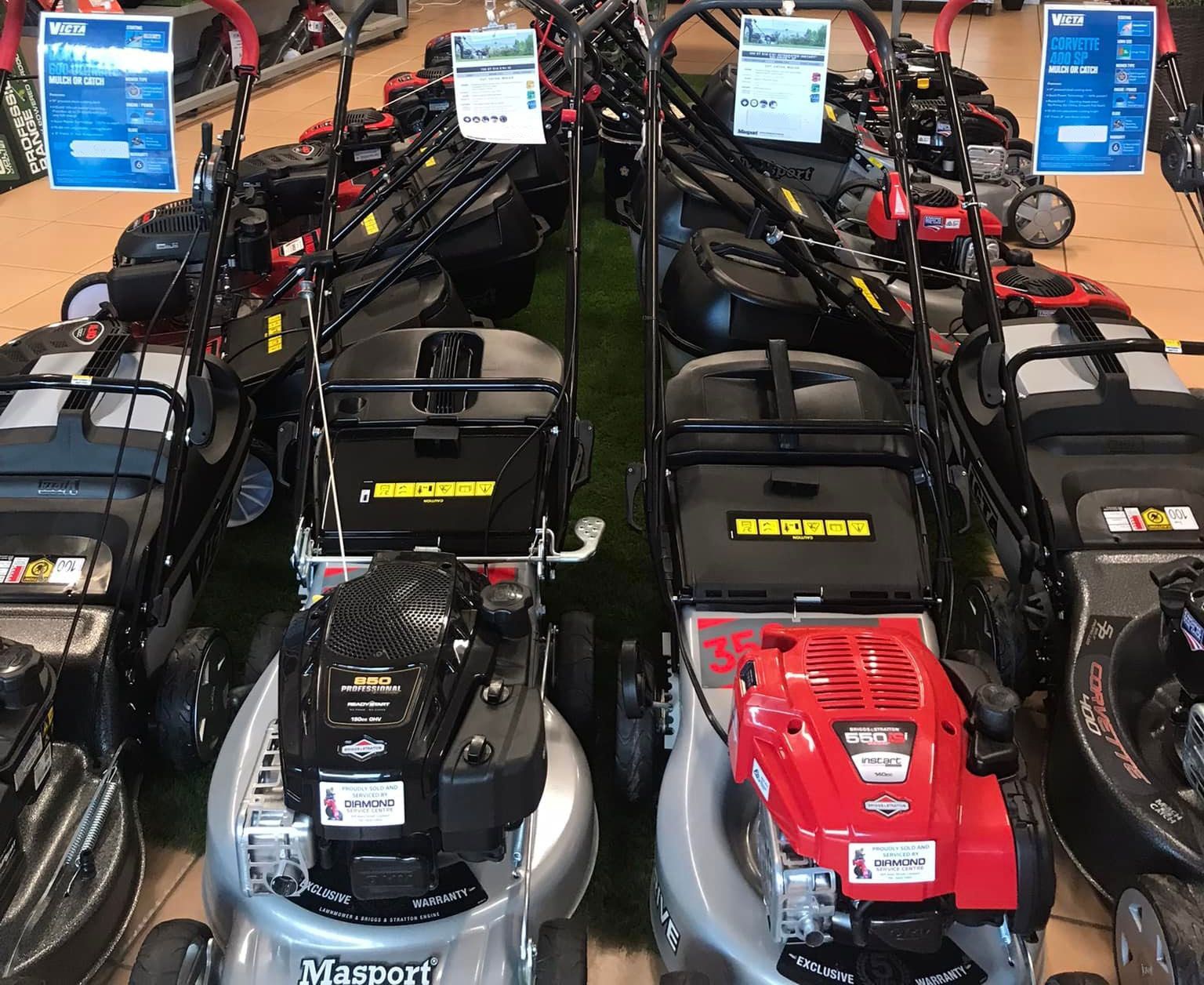
Lawn mower repairs are easier to manage when equipment is supported locally and serviced by technicians familiar with its design. Choosing a mower with repair access in mind reduces downtime and uncertainty. A mower shop that offers both sales and repairs can help buyers balance immediate needs with long-term service support.
We at Diamond Service Centre work with homeowners throughout Lismore who are deciding between battery and petrol mowers based on real-world conditions, ongoing maintenance expectations, and repair considerations. From smaller residential yards to larger properties with slopes and heavier grass growth, selecting the right mower can make a noticeable difference to both performance and long-term costs. If you are comparing Lismore mowers and want guidance supported by practical servicing experience, we encourage you to contact us or visit
https://www.diamondservicecentre.com.au/ to discuss your needs, explore suitable options, and access ongoing lawn mower repair and maintenance support.