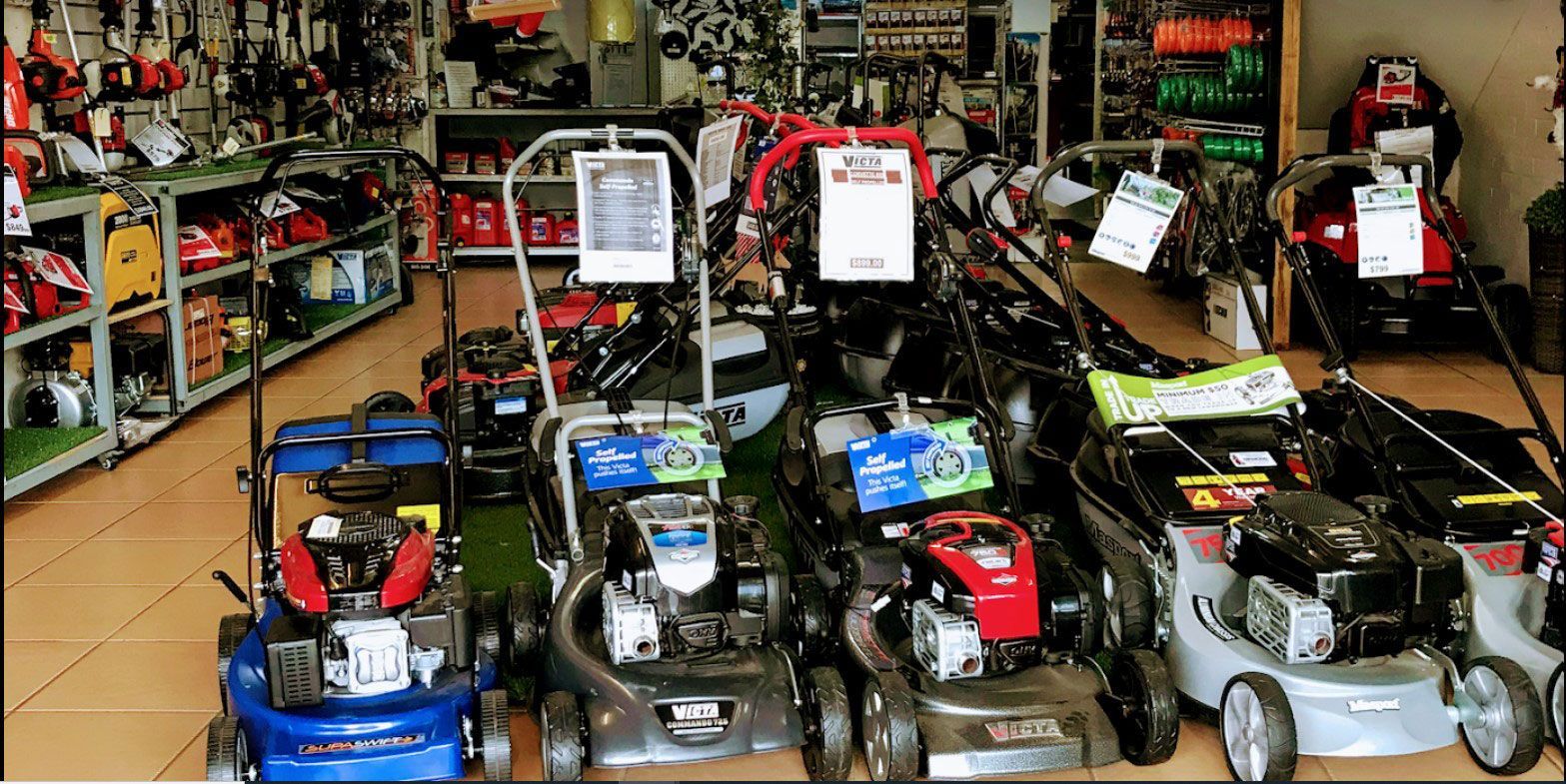
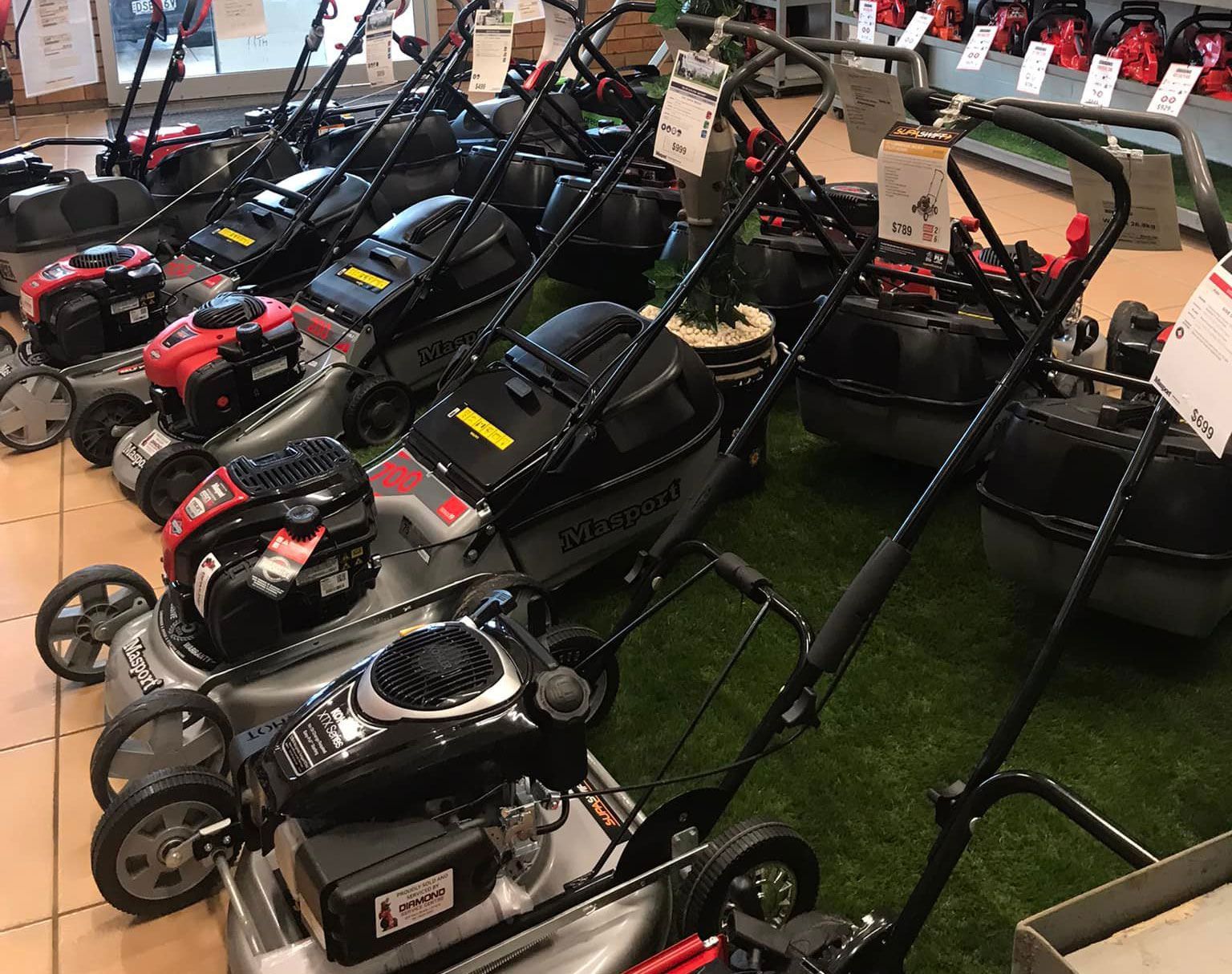
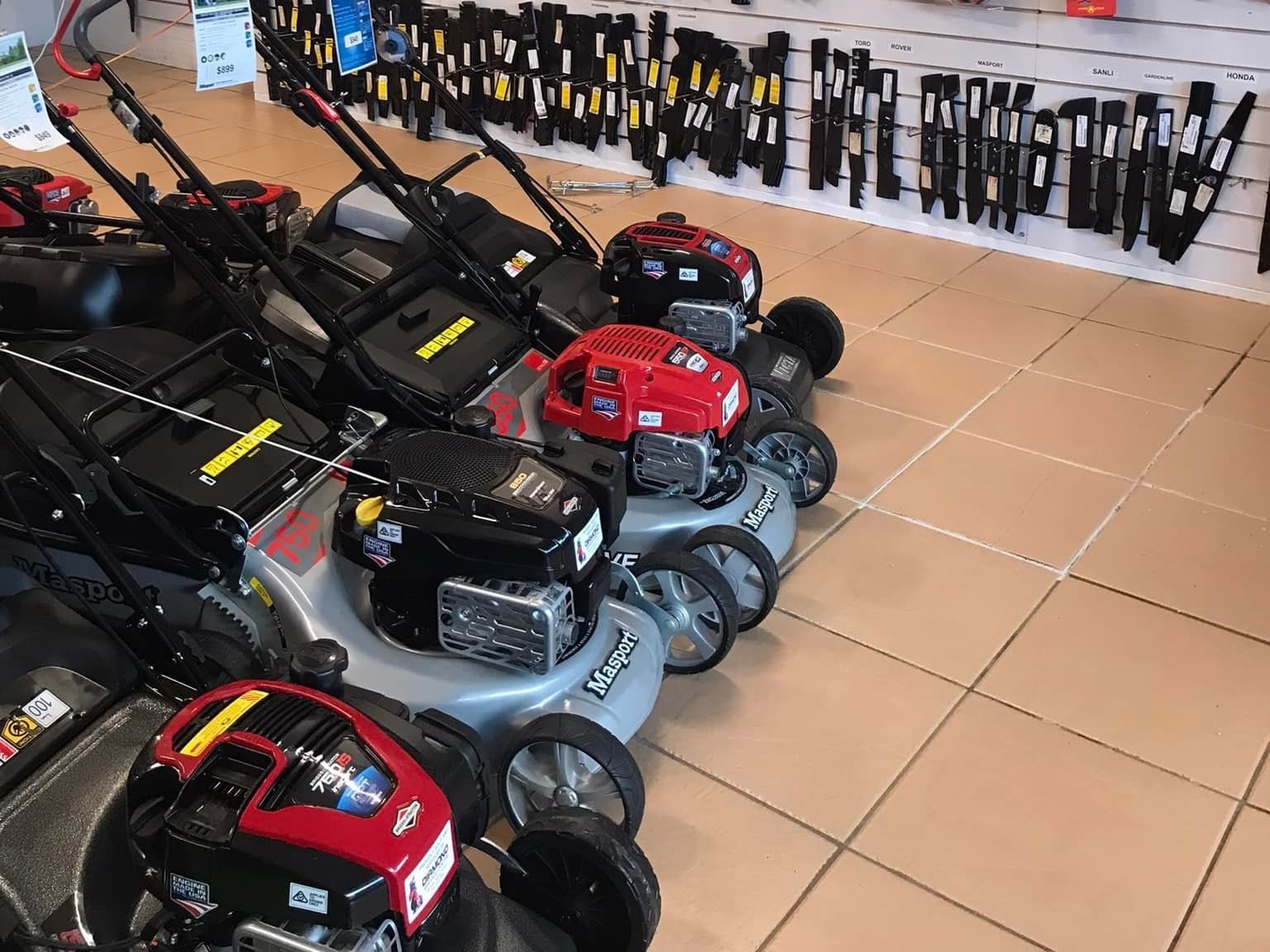
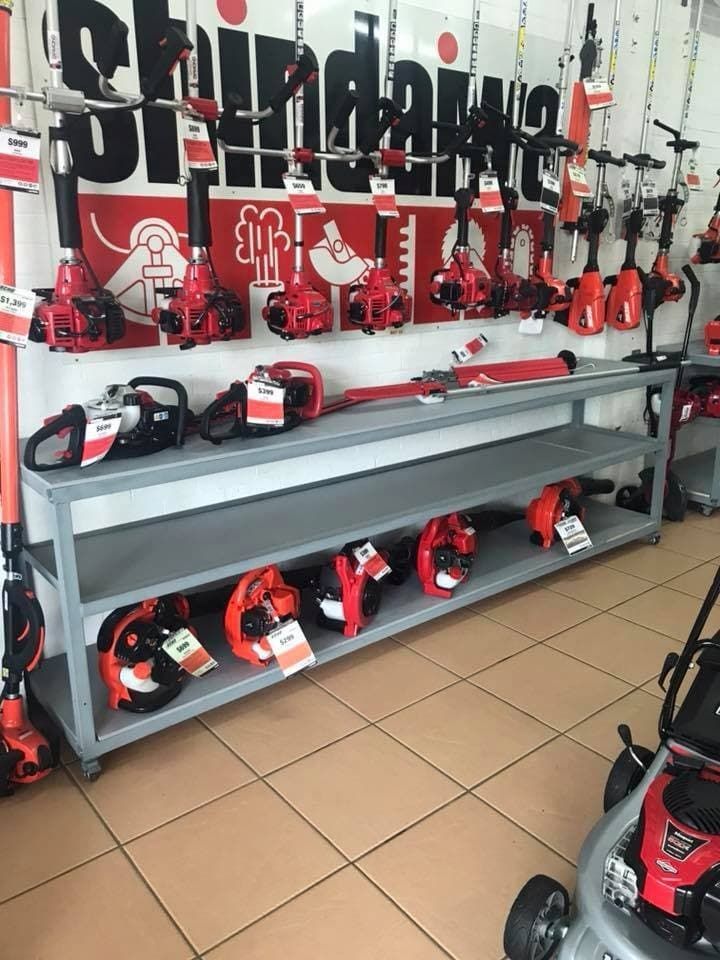
Most people approach lawn mowing as a chore to get done rather than a practice worth doing well. Whether you're working with one of the
Lismore mowers available from a local dealer or a machine you've had for years, the result without the right approach is often a lawn that's perpetually stressed — yellowing after each cut and never quite achieving the even, healthy look that seems to come easily in some neighbours' yards. These lawn mowing tips on cutting height, frequency, and technique cost nothing extra to apply, and understanding mowing height alone makes a more significant difference to lawn health than most homeowners expect.
Cutting Height — Why Going Short Is Counterproductive
The most common mowing mistake is cutting the grass too short. It's understandable — a shorter cut means less frequent mowing, or so the logic goes. In practice, scalping the lawn creates more problems than it solves.
Grass leaf blades are where photosynthesis happens. When you remove too much of the blade in a single cut, the plant diverts energy away from root development and toward recovering leaf growth. Repeated scalping weakens the root system, reduces drought tolerance, and creates bare patches where weeds establish quickly.
For grass types common across the Northern Rivers, a practical cutting height guide looks like this:
- Buffalo grass — best cut to around 30–50mm. Shade-tolerant but suffers when cut too short, particularly in drier conditions.
- Couch grass — tolerates a shorter cut of around 15–25mm when actively growing, but should be kept slightly longer during cooler months.
- Kikuyu — a vigorous grower that handles around 25–40mm. Recovers quickly but still benefits from being kept at a reasonable height rather than scalped.
- Zoysia — does well at around 20–40mm and doesn't need cutting as frequently as faster-growing types.
These are practical starting points rather than rigid rules. The condition of the grass, the season, and recent rainfall all influence what the right height is on a given day. A
well-maintained lawn mower in Lismore's humid, high-growth climate makes a real difference here — a mower that holds its cutting height accurately gives you much more control over the result.
The One-Third Rule
Regardless of grass type, the one-third rule is the most useful single principle to apply to mowing. The idea is simple: never remove more than one-third of the grass blade's current height in a single cut.
If your buffalo lawn is sitting at 75mm, the maximum to take off in one mow is 25mm, bringing it to 50mm. Removing more than that in one pass stresses the plant significantly — even if the target height you're aiming for is technically correct.
This matters most after a period of missed mowing when the grass has grown considerably taller than ideal. Rather than cutting straight to the target height in one pass, take the grass down gradually over two or three mows spaced a few days apart. It takes more time but produces a healthier result and puts less strain on both the lawn and the mower.
How Often Should You Mow?
Mowing frequency should follow the growth rate of the grass, not a fixed calendar schedule. Mowing every Saturday regardless of how much the lawn has grown is a habit rather than a strategy, and knowing how often to mow your lawn properly comes down to reading the grass rather than the calendar.
In practice, growth rate is largely driven by temperature and rainfall — which in the Northern Rivers means considerable variation across the year.
- Warmer months (roughly October through March) bring the fastest growth, particularly for vigorous varieties like kikuyu. Weekly mowing is often necessary during this period to stay ahead of growth without having to take off too much in a single pass. In a particularly wet and warm period, some lawns benefit from mowing every five to six days.
- Cooler months (April through September) slow growth considerably for most grass types. Fortnightly mowing is often adequate during this period, and for some slower-growing varieties, even less frequent cutting may be appropriate.
The practical test is always whether you can mow within the one-third rule at the current height. If the grass has grown to the point where you'd need to remove more than a third to reach your target, it's already overdue.
Mowing Pattern and Direction
Mowing in the same direction every time gradually pushes the grass to lean that way and can create uneven growth over time. Varying the mowing pattern — alternating between horizontal, vertical, and diagonal passes across the lawn — encourages the grass to grow more upright and produces a more even finish.
Overlapping each pass slightly, by around 50–100mm, avoids the thin strips of uncut grass that appear when rows don't quite meet. These strips are more noticeable on a well-maintained lawn than most people expect, and they're entirely avoidable with a small amount of attention to the overlap.
For larger lawns, planning the pattern before starting — rather than just beginning at the nearest edge and working across — produces a cleaner result and avoids the awkward finishing passes that happen when the pattern doesn’t work out evenly.
Why Your Mower’s Condition Matters for Lawn Health
Technique accounts for a lot, but the condition of the mower is equally important. A blunt blade doesn't cut grass — it tears it. Torn grass tips are immediately visible as a brownish, ragged finish across the lawn, and the damage goes beyond appearance. Torn leaf tips are more susceptible to disease, moisture loss, and stress than a clean cut, and the recovery time between mows is longer.
Sharp blades make a clean cut that heals quickly, keeps the lawn looking its best, and puts less load on the mower's engine. Sharpening or replacing blades is one of the most cost-effective maintenance tasks for anyone mowing their own lawn regularly.
Beyond the blades, a well-serviced mower runs more consistently, maintains its cutting height accurately, and is less likely to cause the kind of uneven cut that comes from a deck that's not level or a drive system that's losing power. For anyone using
lawn mowers in Lismore for regular home lawn care, keeping the mower properly serviced is the practical underpinning of everything else in this guide.
When to Book a Mower Service
For most home mowers used regularly across the warmer months, an annual service is a reasonable baseline. The practical time to book one is at the start of the mowing season — before the grass growth picks up in spring — so the mower is in full working order when it's needed most.
Signs that a service is overdue include:
- Difficulty starting — particularly if the mower requires multiple pulls or doesn't start reliably
- Uneven cutting height — if some areas are being cut shorter than others despite a level surface
- Excessive vibration — often a sign of a damaged or unbalanced blade
- Loss of drive on self-propelled models
- Ragged finish on the cut grass — the clearest sign that the blade needs sharpening or replacement
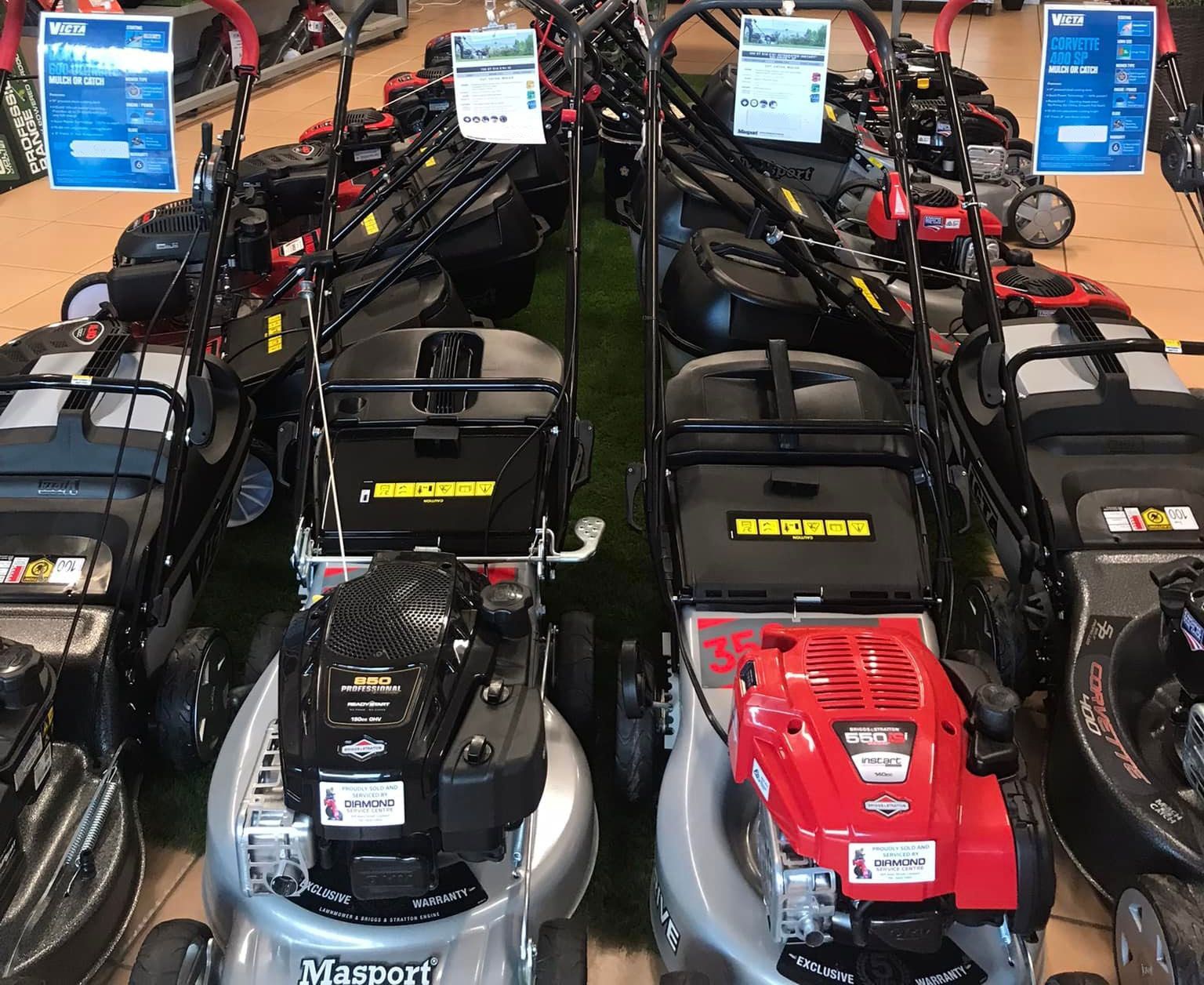
Diamond Service Centre handles
lawn mower servicing in Lismore for a wide range of makes and models, from standard push mowers to ride-ons and self-propelled models. Getting the mower looked at before the season starts means it's ready when the lawn needs it, rather than discovering a problem mid-mow in the middle of summer.
Get in Touch
At
Diamond Service Centre, we work with homeowners and property owners across Lismore and the Northern Rivers who want their equipment in good working order for the season ahead. Whether your mower is due for a service, needs a blade sharpen, or has developed a fault affecting the quality of the cut, our team is happy to take a look. For more lawn mowing tips or to browse Lismore mowers suited to your property size, visit us in store or
get in touch online.